
Excoriation (Skin-Picking) Disorder
Understanding Skin Picking, Urges, and the Cycle of Tension and Release
Excoriation Disorder (Dermatillomania) is a Body-Focused Repetitive Behavior (BFRB) involving recurring picking of the skin that leads to lesions, scarring, or infection. People may pick at blemishes, bumps, scabs, texture irregularities, or perceived imperfections. Behaviors is sometimes intentional and sometimes automatically.
This condition is not self-harm and not a matter of “just stopping.”
It is a complex, sensory and emotionally driven disorder that deserves skilled, compassionate treatment.
Many individuals pick during stress, boredom, or when they notice an imperfection. Shame often follows, leading to hiding, makeup use, long sleeves, or social avoidance.
You are not alone and recovery is possible.
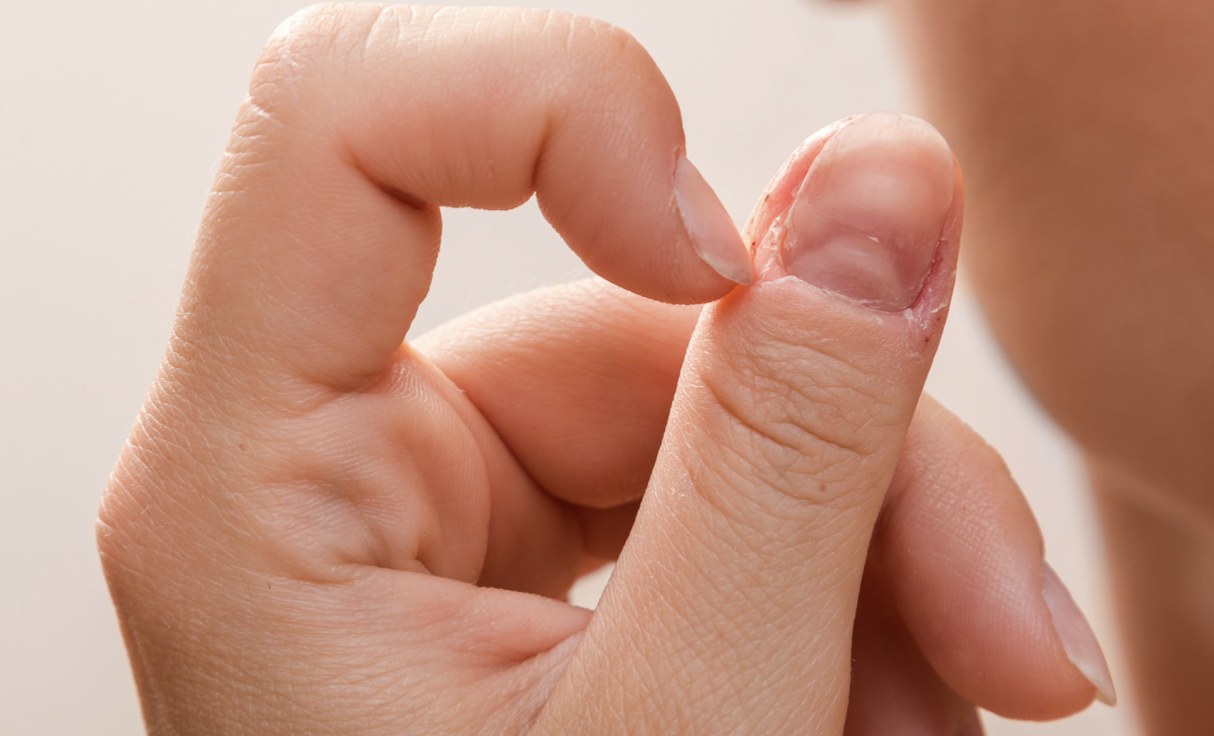
What Is Excoriation Disorder?
Excoriation Disorder is characterized by:
Recurrent skin picking
Repeated attempts to stop
Skin damage (sores, scabs, scars, infections)
Emotional distress or impairment
Picking may be:
Focused — intentionally targeting specific spots
Automatic — occurring without conscious awareness
Both patterns can coexist and respond well to treatment.
Common Triggers for Skin Picking
Triggers often include:
Stress or anxiety
Boredom
Feeling texture or irregularities
Seeing imperfections
Perfectionism regarding appearance
Emotional overwhelm
Fatigue
Tactile sensations
Using mirrors or bright lights
Common Experiences
People with this condition frequently describe:
A rising tension before picking
A sense of relief or satisfaction during picking
Losing track of time
Feeling unable to stop
Shame or regret afterward
Avoidance of social events or sunlight
Covering marks with clothing or makeup
These behaviors are symptoms, not character flaws.
How We Treat Excoriation Disorder
Treatment focuses on awareness, interruption of urges, emotional regulation, and reducing shame.
1. Habit Reversal Training (HRT)
Clients learn to:
Identify triggers
Build awareness of hand movements
Use competing responses (fists, fidgets, barriers)
Reduce automatic picking episodes
2. Stimulus Control
Environmental adjustments can significantly reduce picking:
Limiting mirror time
Changing lighting
Wearing clothing that covers high-pick areas
Keeping hands occupied
3. Comprehensive Behavioral Treatment (ComB)
We address the sensory, emotional, cognitive, and environmental drivers of picking.
When picking is tied to anxiety or OCD-like urges, we incorporate:
Exposure to sensations or imperfections
Reducing avoidance
Building distress tolerance5. Nervous System Regulation
Many urges decrease when clients regulate tension, stress, and sensory overload.
Common Questions About Excoriation Disorder
-
No. Skin picking is a BFRB and serves a sensory or emotional function, not self-punishment.
-
Because it temporarily reduces tension or sensory discomfort.
-
Yes. Treatment is highly effective when tailored to individual triggers.
-
Automatic picking is common and treatable with awareness-building skills.
-
Skin often heals well, especially when picking decreases. We also work compassionately with dermatologists when needed.
When to Reach Out for Help
If skin picking feels unmanageable, isolating, or emotionally painful, specialized treatment can help you break the cycle.
At The OCD Relief Clinic, we help individuals:
Reduce picking episodes
Build awareness
Replace behaviors with healthier regulation
Heal shame and rebuild confidence
Improve quality of life
Learn more about Body-Focused Repetitive Behaviors and their treatment.
Serving Weber County, Davis County, and all of Utah via telehealth