
Body-Focused Repetitive Behaviors (BFRBs)
Understanding Body-Focused Repetitive Behaviors, Urges, and the Cycle of Repetition and Relief
Body-Focused Repetitive Behaviors (BFRBs) are a group of conditions involving repetitive behaviors directed toward the body that are difficult to stop and often cause distress, shame, or impairment. Common BFRBs include hair pulling (Trichotillomania) and skin picking (Excoriation Disorder), though nail biting, cheek biting, and other behaviors may also be present.
BFRBs are not habits, bad behaviors, or a lack of willpower. They are complex, brain-based conditions that often overlap with OCD, anxiety, and emotional regulation difficulties.
If you’ve ever told yourself “I should be able to stop this” and felt frustrated or ashamed when you couldn’t, you are not alone and help is available.
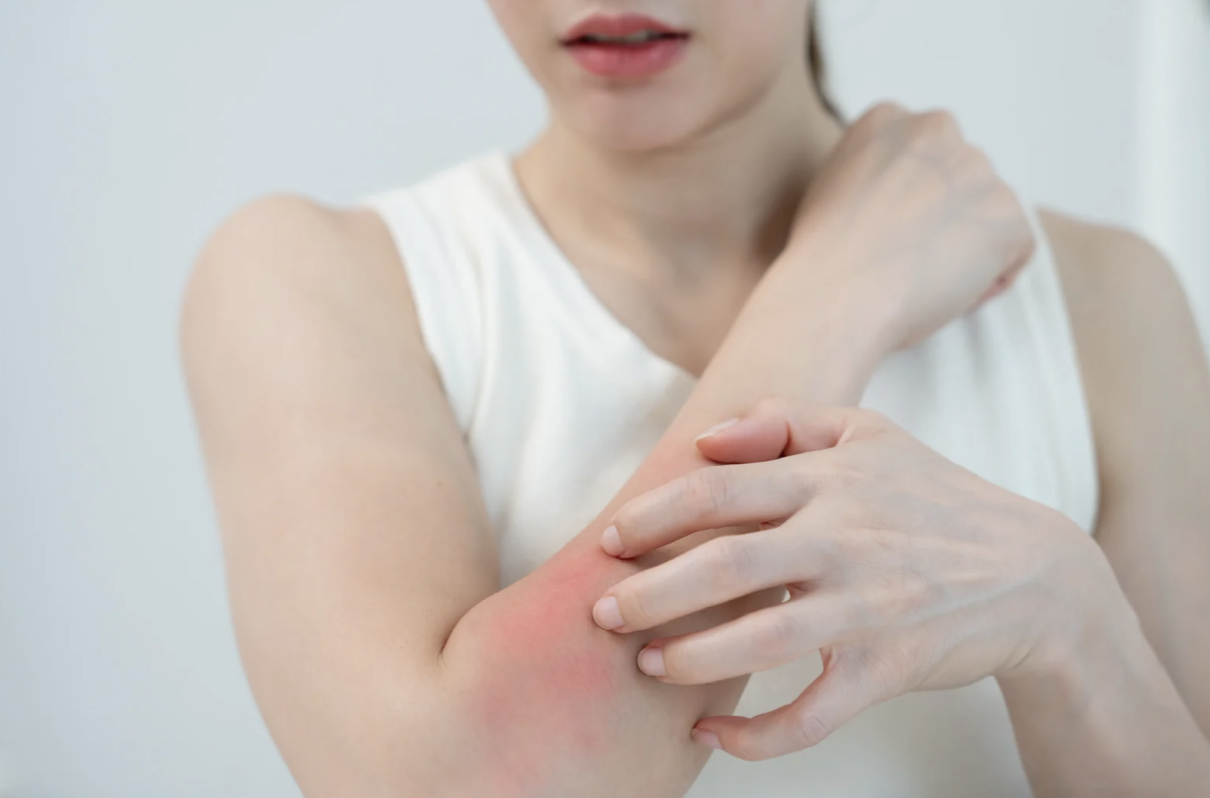
What are Body-Focused Repetitive Behaviors?
BFRBs involve recurrent behaviors that result in damage to the body and repeated unsuccessful attempts to stop. These behaviors often serve a regulatory function, helping the nervous system cope with stress, boredom, tension, or uncomfortable sensations.
Unlike compulsions in OCD, BFRBs are not always driven by fear or intrusive thoughts but many people experience both OCD and BFRBs, and treatment often overlaps.
BFRBs exist on a spectrum and can vary widely in intensity, frequency, and impact.
BFRBs may include:
Hair pulling (scalp, eyebrows, eyelashes, or body hair)
Skin picking (face, arms, legs, scalp, cuticles)
Cheek or lip biting
Two of the most common and researched BFRBs are Trichotillomania and Excoriation Disorder, which are addressed in more detail below.
Common Triggers for BFRBs
Triggers can differ from person to person and may include:
Stress or anxiety
Boredom or understimulation
Fatigue
Perfectionism or emotional tension
Sensory discomfort (itching, uneven textures)
Focused activities (reading, studying, watching TV)
Transitions or unstructured time
Emotional overwhelm
Automatic behavior without awareness
Many individuals notice that urges increase during quiet or idle moments.
Common Experiences and Urges
People with BFRBs often describe:
Strong urges or sensations that feel impossible to ignore
A sense of relief, focus, or calm during the behavior
Shame or regret afterward
Difficulty stopping once the behavior starts
Periods of increased control followed by relapse
Fear of others noticing hair loss, scabs, or marks
Avoidance of social situations or mirrors
These experiences are deeply distressing and very common.
How BFRBs are Treated
Effective treatment for BFRBs is skills-based, compassionate, and evidence-informed. At The OCD Relief Clinic, we tailor treatment based on whether BFRBs occur alone or alongside OCD.
Core Treatment Approaches Include:
1. Habit Reversal Training (HRT)
Clients learn to:
Increase awareness of triggers and urges
Identify early warning signs
Replace behaviors with competing responses
Build alternative regulation strategies
2. CBT & ERP-Informed Strategies
When BFRBs overlap with OCD or anxiety, we integrate:
Exposure to urges without engaging
Reducing avoidance and shame
Increasing distress tolerance
Challenging rigid beliefs about control
3. Sensory & Nervous System Regulation
We address the sensory and regulatory needs that drive BFRBs by:
Supporting self-soothing alternatives
Building tolerance for uncomfortable sensations
Reducing baseline stress and tension
4. Values-Based & Compassion-Focused Work
Many clients struggle with shame or self-criticism. Treatment helps:
Reduce moral judgment around behaviors
Build self-compassion
Reconnect with values beyond appearance or control
Trichotillomania (Hair-Pulling Disorder)
Trichotillomania involves recurrent pulling of hair that leads to noticeable hair loss and emotional distress. People may pull intentionally or automatically and often feel shame, frustration, or isolation as a result.
Learn more about Trichotillomania, including symptoms, causes, and specialized treatment.
Excoriation (Skin-Picking) Disorder
Excoriation Disorder involves recurrent skin picking that results in skin damage, scarring, or infection risk. Picking may focus on real or perceived imperfections and can be driven by sensory discomfort, anxiety, or tension.
Learn more about Skin-Picking Disorder and how treatment can help reduce urges and heal your relationship with your body.
Common Questions Asked About Body-Focused Repetitive Behaviors
-
BFRBs are related disorders. Some people have both OCD and BFRBs, while others experience BFRBs on their own.
-
These behaviors temporarily regulate the nervous system. Treatment helps replace them with safer, sustainable strategies.
-
Yes. With proper treatment, many people significantly reduce or stop behaviors and regain confidence.
-
No. BFRBs are recognized mental health conditions, not habits or self-control issues.
-
No. Treatment is gradual, collaborative, and focused on skill-building, not punishment.
When to Reach Out for Help
If hair pulling or skin picking feels out of control, causes shame, or interferes with your life, you deserve support that understands the complexity of BFRBs.
At The OCD Relief Clinic, we help individuals:
Reduce urges and behaviors
Build awareness and regulation skills
Address co-occurring OCD or anxiety
Heal shame and self-criticism
Reclaim confidence and daily functioning
You are not broken, your nervous system needs support.
Serving Weber County, Davis County, and all of Utah via telehealth