
Trichotillomania (Hair-Pulling Disorder)
Understanding Trichotillomania, Urges, and the Cycle of Pulling and Relief
Trichotillomania is a Body-Focused Repetitive Behavior (BFRB) involving repetitive pulling of hair from the scalp, eyebrows, eyelashes, face, or body. Individuals often feel strong urges or sensations before pulling, followed by temporary relief or satisfaction, and then shame, frustration, or guilt.
This is not a habit, a lack of discipline, or something you can "just stop."
It is a neurobiological condition that requires skill-based, compassionate treatment.
Many people hide hair loss, avoid mirrors, or cancel social plans due to embarrassment. If this sounds familiar, you are not alone and effective help exists.
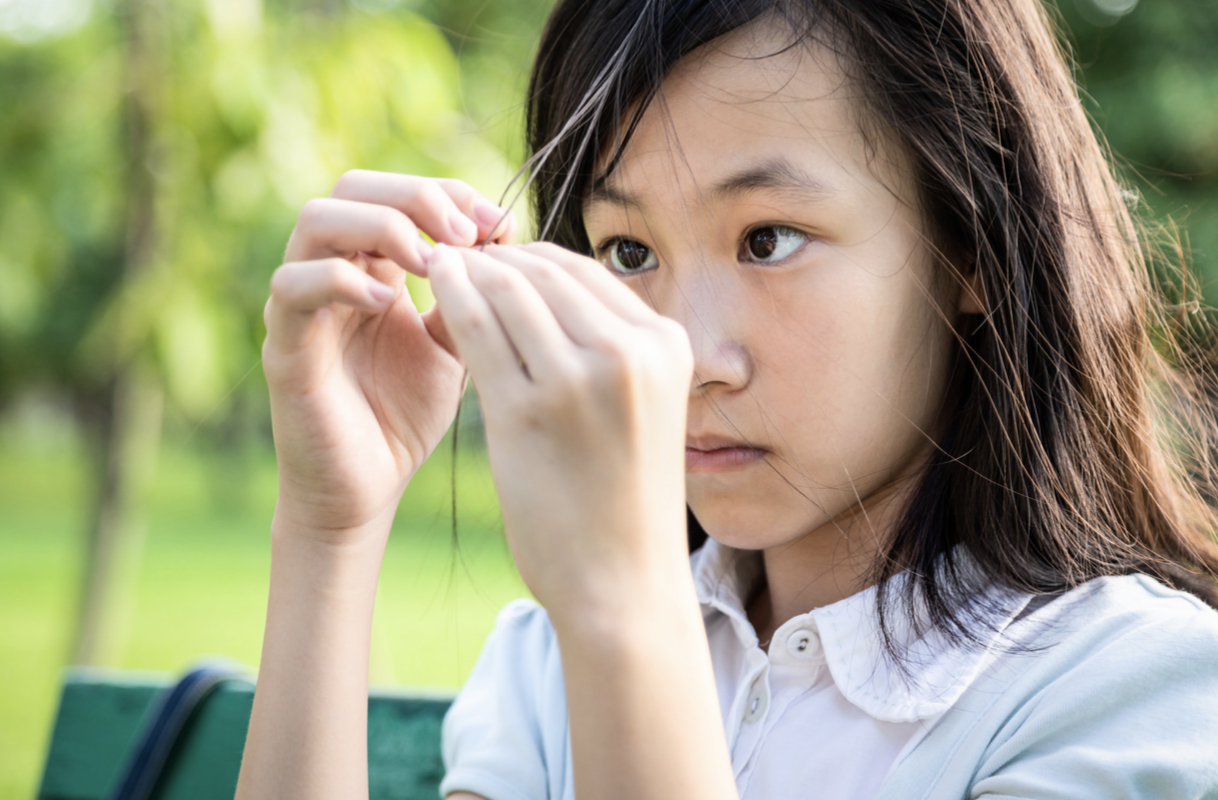
What Is Trichotillomania?
Trichotillomania (TTM) is characterized by:
Recurrent pulling of one’s hair
Repeated attempts to stop
Visible hair loss or damage
Emotional distress or impairment
Pulling can be:
Focused (intentional, done to relieve stress or tension)
Automatic (done without awareness for example while reading, watching TV, thinking)
Both forms are common and treatable.
Common Triggers for Hair Pulling
Triggers may include:
Stress or anxiety
Boredom or inactivity
Fatigue
Perfectionism
Sensory discomfort (itch, uneven hair, coarse texture)
Emotional overwhelm
Transitions or unstructured time
Being alone
Many clients report “urge waves” that come and go.
Common Experiences
People with Trichotillomania often describe:
Feeling a strong “need” or tension before pulling
Temporary relief during the behavior
Difficulty stopping mid-episode
Shame or panic afterward
Wearing makeup, hats, or hairstyles to hide hair loss
Avoiding photos or social events
These patterns are part of the disorder and are not a reflection of character or strength.
How We Treat Trichotillomania
The most effective treatment includes a combination of behavioral, cognitive, and sensory strategies.
1. Habit Reversal Training (HRT)
Clients learn to:
Identify triggers and early warning signs
Increase awareness during automatic pulling
Use competing responses to interrupt urges
Build coping strategies that replace pulling
2. Stimulus Control
We help modify environments to reduce automatic pulling:
Wearing finger barriers
Adjusting lighting
Setting up pull-free zones
Changing routines that increase urges
3. Comprehensive Behavioral Treatment (ComB)
Addresses the emotional, cognitive, sensory, and environmental factors behind pulling.
When pulling overlaps with OCD or anxiety, we use:
Exposure to urges
Reducing avoidance
Tolerating discomfort without engaging
5. Nervous System Regulation
Urges often decrease when we regulate underlying tension.
Common Questions About Trichotillomania
-
Because Trichotillomania is a brain-based condition, not a choice or habit.
-
It is a related disorder. Many people have both OCD and Trichotillomania.
-
No. Treatment is gradual, collaborative, and focused on building skills.
-
Hair can regrow in most cases, but chronic pulling may affect regrowth over time.
-
Medication may help underlying anxiety or urges but is not a primary treatment.
When to Reach Out for Help
If hair pulling feels out of control or emotionally overwhelming, specialized support can help you build confidence and reduce urges.
At The OCD Relief Clinic, we help individuals:
Understand their triggers
Build replacement skills
Reduce pulling episodes
Heal shame
Improve daily functioning
Learn more about Body-Focused Repetitive Behaviors and related conditions.
Serving Weber County, Davis County, and all of Utah via telehealth