

When someone you love has OCD, it can be difficult to know when you're helping and when you may be unintentionally reinforcing the OCD cycle. This online seminar will help family members understand family accommodation, recognize common accommodation patterns, and learn practical ways to respond to OCD with support and compassion without participating in compulsions or reassurance.
What to Expect
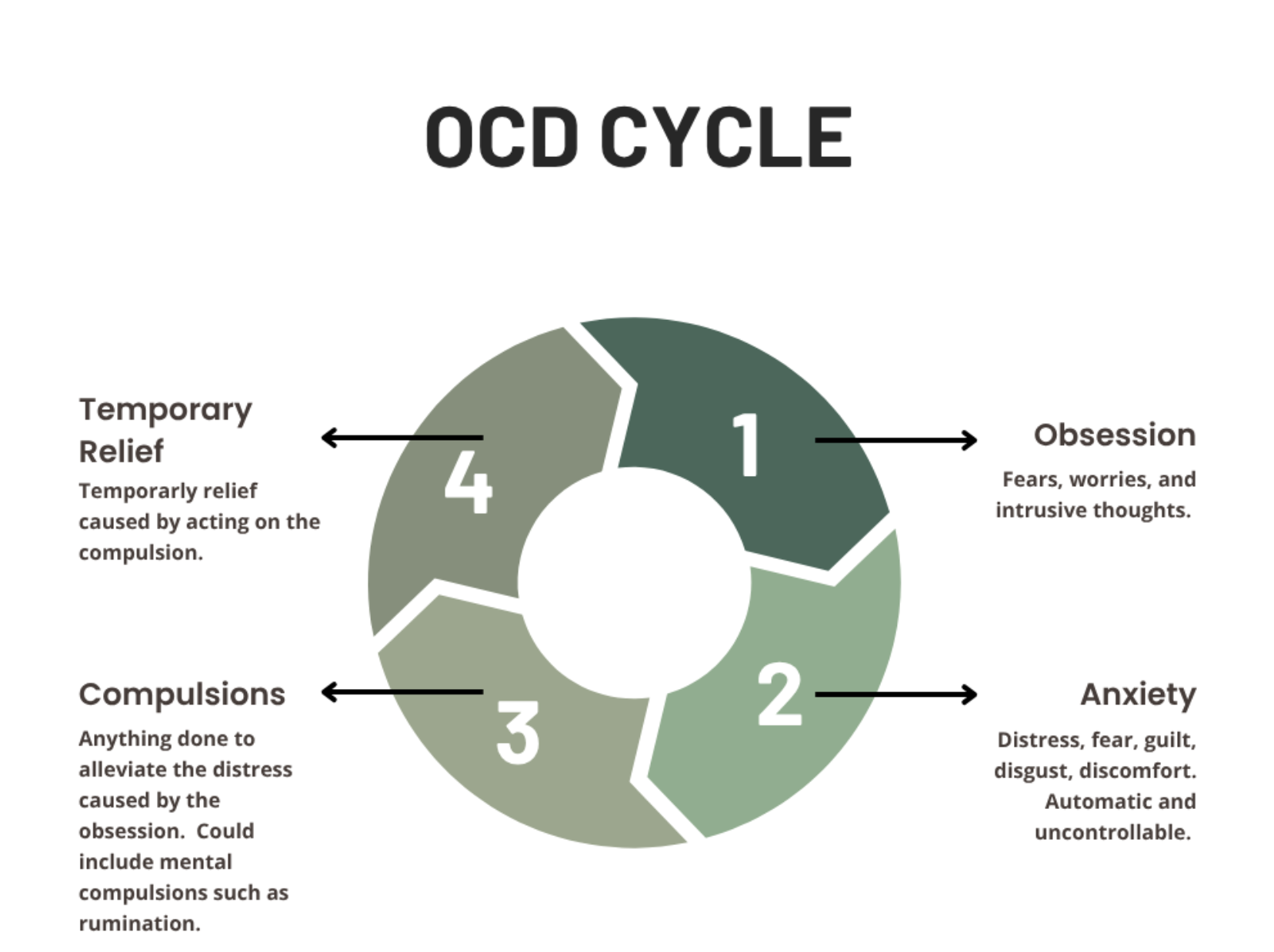
Understand the OCD cycle and why reassurance, helping with rituals, and changing family routines can unintentionally keep OCD going.
Learn what family accommodation looks like—including some of the less obvious ways families can become involved in OCD.
Understand the difference between supporting and accommodating so you can help your loved one without helping OCD.
Learn practical ways to respond to reassurance seeking, compulsions, avoidance, and requests for accommodation.
Practice setting compassionate boundaries while maintaining connection and support.
Learn how to reduce accommodation gradually without trying to change everything overnight.
Leave with concrete strategies you can begin using at home right away.
This seminar isn't about blaming families.
Accommodating OCD usually comes from a very understandable desire to reduce your loved one's distress. We'll help you learn different ways to offer that same support without strengthening the OCD cycle.

Seminar Schedule
-
Understand how the OCD cycle works and why compulsions provide short-term relief but keep OCD going
Learn how OCD can pull family members into the cycle
Identify common forms of family accommodation, including reassurance, participating in rituals, helping with avoidance, and changing family routines
Understand why accommodation is such a natural response when someone you love is distressed
-
Take a quick break, grab a drink, stretch, and come back ready for the practical portion of the seminar
-
Learn the difference between supporting your loved one and accommodating OCD
Identify accommodations you may be ready to begin changing
Learn how to respond differently to reassurance seeking, compulsions, avoidance, and requests for help with rituals
Practice communicating confidence in your loved one's ability to tolerate uncertainty and discomfort
Learn how to set compassionate, consistent boundaries with OCD
Discuss how to reduce accommodation gradually rather than trying to change everything at once
Learn what to do when reducing accommodation leads to increased anxiety, frustration, or pushback
Leave with practical language and strategies you can begin using at home
-
Ask questions about the concepts and strategies covered during the seminar
Talk through common challenges families encounter when changing accommodation patterns
Hear examples of how these strategies can look in everyday situations
Clarify how to apply what you've learned in a way that feels supportive and sustainable
To protect privacy and keep the seminar educational in nature, we ask participants not to share identifying details or request individualized clinical recommendations during the group discussion.
Frequently Asked Questions
Still have questions? Take a look at the FAQ or reach out anytime. If you’re feeling ready to learn how to support your loved one with OCD, register today.
-
This seminar is designed for parents, partners, spouses, adult family members, and other loved ones of someone struggling with OCD. You do not need any previous knowledge about OCD or its treatment to attend.
-
No. This seminar is open to families regardless of where their loved one receives treatment or whether they are currently in treatment at all.
-
This seminar is designed specifically for family members and support people. Your loved one with OCD does not need to attend for you to benefit from the seminar.
-
Family accommodation happens when loved ones change their behavior in response to OCD, for example providing repeated reassurance, participating in rituals, helping someone avoid feared situations, or changing household routines to reduce anxiety. These responses usually come from a desire to help, but they can unintentionally make it harder for someone to challenge OCD over time.
-
You're certainly not alone. Accommodation is an incredibly understandable response to watching someone you love struggle. This seminar isn't about blame or abruptly stopping everything you've been doing. We'll focus on recognizing accommodation and learning practical, compassionate ways to begin responding differently.
-
We'll have dedicated time for questions and discussion. You're welcome to ask general questions and talk through common situations, but we ask participants not to share identifying information. Because this is an educational seminar rather than therapy, we can't provide individualized clinical recommendations during the group.
-
No. This is a psychoeducational seminar designed to teach families about OCD and family accommodation. Attending does not establish a therapist-client relationship with The OCD Relief Clinic or the presenters.
-
Yes. The seminar is held live online. Registered participants will receive information about how to join before the seminar.
-
Yes. In many cases, having multiple family members learn the same approach can be helpful.
-
No. To protect participant privacy and allow families to ask questions comfortably, seminars are not recorded. If you can't attend your selected date, additional seminar dates are offered regularly.